Grapevine sits on North Texas black clay — one of the most expansive soil types in the country. When this clay absorbs water from rain or irrigation, it swells. When it dries out in summer heat, it shrinks and pulls away from itself.
That cycle of expansion and contraction happens year after year, and concrete slabs sitting on top of it move with it. Settlement, cracking, and trip hazards at expansion joints are some of the most common concrete problems in the DFW area for exactly this reason.
Concrete lifting fills the void that forms beneath a settled slab and raises it back to its original position — without demolition, without the mess of a full tearout, and at 50–70% of what replacement would cost. We drill small access holes through the slab, inject material beneath it to fill the void and raise the concrete to the correct grade, then seal the holes. The slab is usable the same day.
If the concrete is still structurally intact — not broken into multiple pieces that have shifted in different directions — lifting is almost always the right fix. We'll assess it honestly. Call 817-761-5536 or fill out the form for a free evaluation.
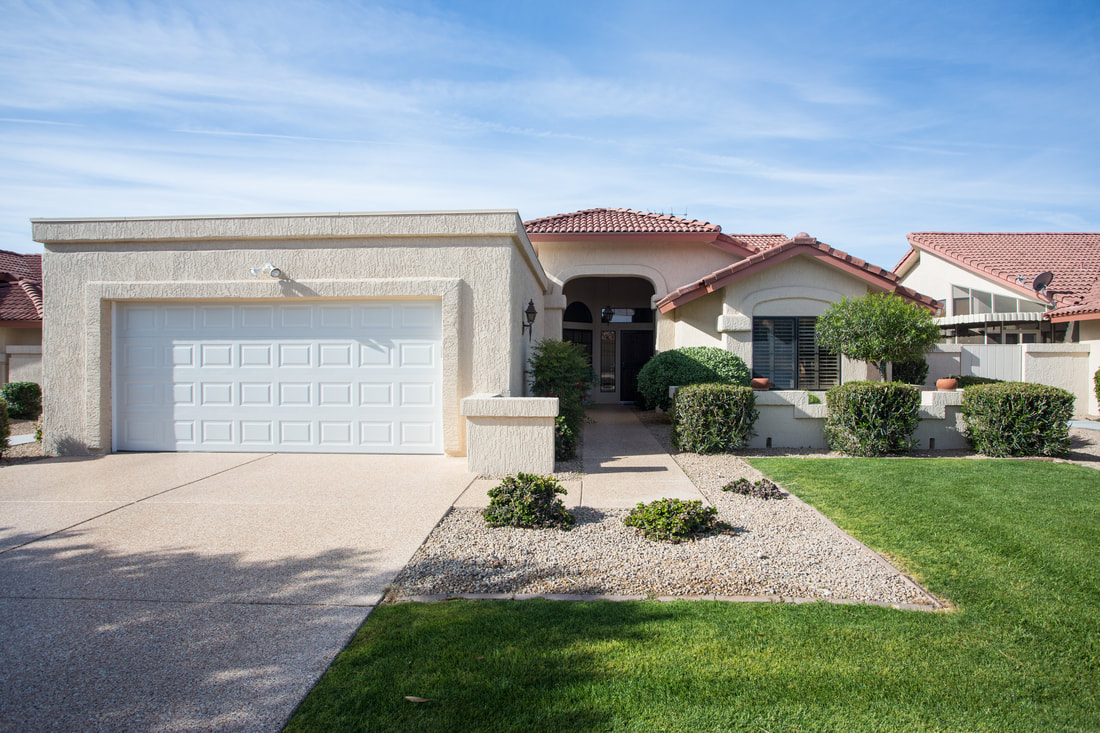
A driveway that has settled at one end creates a drainage problem and a raised edge that catches vehicle clearance. We lift settled sections back to grade. If the settlement caused cracking, concrete repair can address the cracks alongside or after leveling.
A settled patio or pool deck that now slopes toward the house is directing water at your foundation instead of away from it. We level the slab and restore correct drainage slope.
Trip hazards at expansion joints are the most common result of differential settlement — one panel drops, the adjacent one doesn't, and you have a raised edge. We lift panels back to matching grade.
Garage slabs that have settled at the door approach collect water and create a drainage problem into the interior. Lifting the approach section restores proper grade.
In Grapevine's clay soil, the foundation itself is under constant movement pressure. Concrete adjacent to the foundation that has settled toward the house makes moisture management against the foundation worse. Lifting it back to positive drainage is a straightforward improvement.
Small access holes are drilled through the settled slab. Material is injected beneath it, filling the void and applying upward pressure to raise the concrete back to proper grade. The holes are patched and the surface is immediately usable.
The injected material is permanent — it doesn't compress, wash out, or settle over time. The whole process typically takes a few hours for a standard residential project.
The alternative — full replacement — means demolition, hauling, base work, forming, pouring, and several days of cure time before the surface can be used. And if the void beneath isn't addressed, new concrete can settle too. Lifting is faster, less expensive, and addresses the actual cause.
We serve Grapevine and surrounding areas including Southlake, Colleyville, Flower Mound, Coppell, and surrounding DFW communities.