Sidewalks and Walkways in Grapevine, TX

Click to Call817-776-4658

Sidewalks and Walkways Around Grapevine Homes
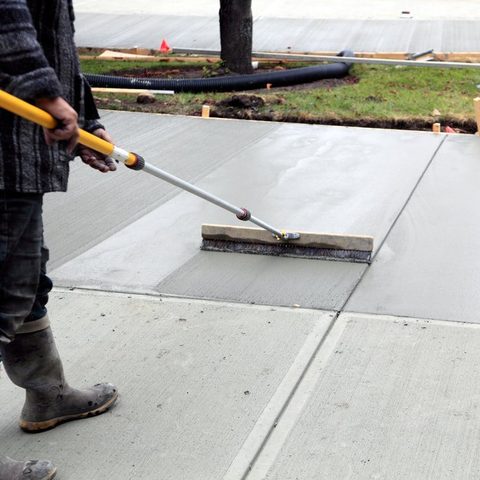
Broom finish going onto a new concrete walk

If your front walk has a panel sticking up, a step that rocks, or a route that sends guests across the grass, call 817-776-4658. Grapevine Custom Concrete handles sidewalks and walkways for Grapevine, TX homes, from the front door to the back gate, including steps along the way and walks that roots or clay have heaved.

Sidewalks and walkways are narrow slabs, which makes them more sensitive to what is underneath. A tree root, a downspout or a soft patch of clay can tip one panel and leave a lip that catches toes.

A new walk is also a chance to rethink the route. Maybe the path from the drive to the door should curve, or be wider, or lose the step that everyone trips on.

If the drive is coming out at the same time, the concrete driveways page covers that. A walk with only one bad panel may just need concrete repair.

Sketch the route you have in mind, even roughly, and have it handy when we come out to look.

Free Walkway Quote

Free quote. No obligation.
What do you need?

What Goes Into the Cost of a Walkway


A walk is a small slab, but it has more edges, turns and steps per foot than a patio does. Those details shape the price:

A walk that leads to a new patio is usually planned with it so the two meet at the right height. The concrete patios page covers that side.

How Sidewalks and Walkways Are Generally Poured


Laying out the route

The path gets marked on the ground, with attention to where water runs, where roots are, and how the walk meets the drive, the porch and the gate.

Digging and base

The ground is dug out, roots and soft spots are dealt with, and a base is compacted. A walk next to the house is sloped slightly away from it.

Forms and steps

Forms are set to height. Where the ground changes height, steps are formed so each rise is even.

Pouring and finishing

The concrete is placed, struck off and floated. A broom finish gives grip. Joints are tooled in at regular spacing so cracks follow straight lines.

Curing

A new walk gets the same early care as any slab through heat or cold. Light foot traffic comes first.

When a Walk Needs Replacing, and Ideas for a New One


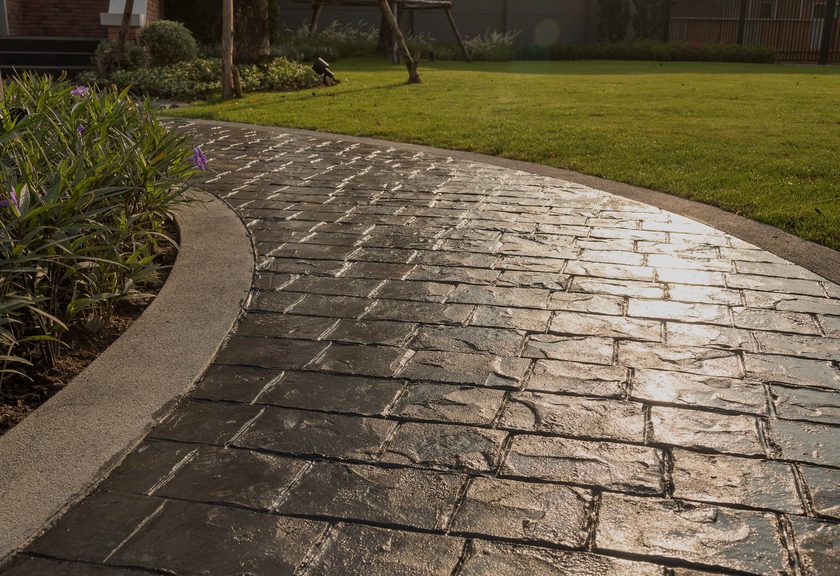
Ideas for a new walk: widen it at the door, add a curve, run a stamped border along a broom-finished center, or extend it to the back gate so you are not crossing wet grass.

Trees, Downspouts and the Walk Beside the House


Most heaved walks in older yards trace back to one of two things. The first is a tree. Roots grow toward the moisture that collects under a slab, and as they thicken they lift the panel above them.

The second is water from the roof. A downspout that empties beside a side-yard path keeps the clay under one edge soaked while the rest stays dry, and over a few seasons the walk tips toward the wet side.

Neither problem goes away when the concrete is replaced. Before new sidewalks and walkways go in, it makes sense to extend or reroute the downspouts, and to talk to someone who knows trees before any large root is cut. Sometimes the better answer is moving the walk a few feet or changing the route around a root zone.

A walk right against the house needs its slope checked too. It should carry water away from the foundation, and the joint where the walk meets the house slab is usually sealed so rain does not run down beside it.

Walkway Pours and Finishes


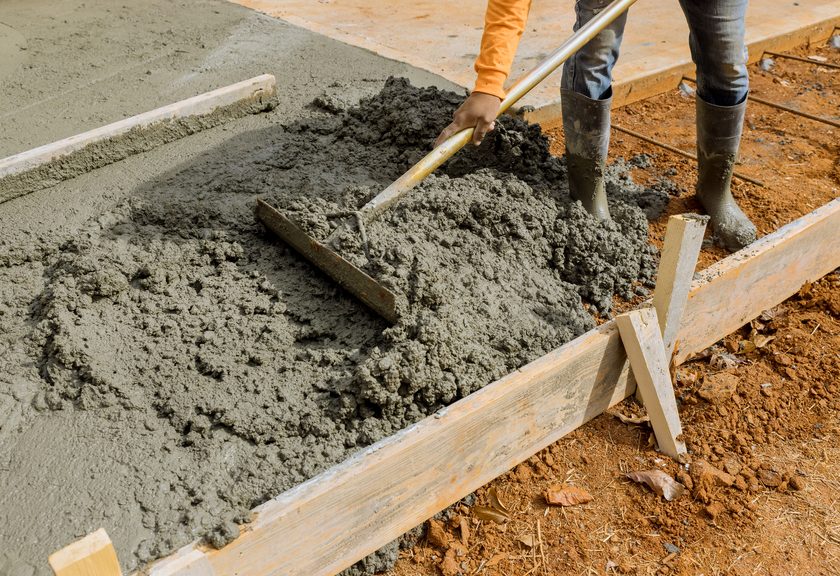
Form boards, wet concrete and a finished stamped path.

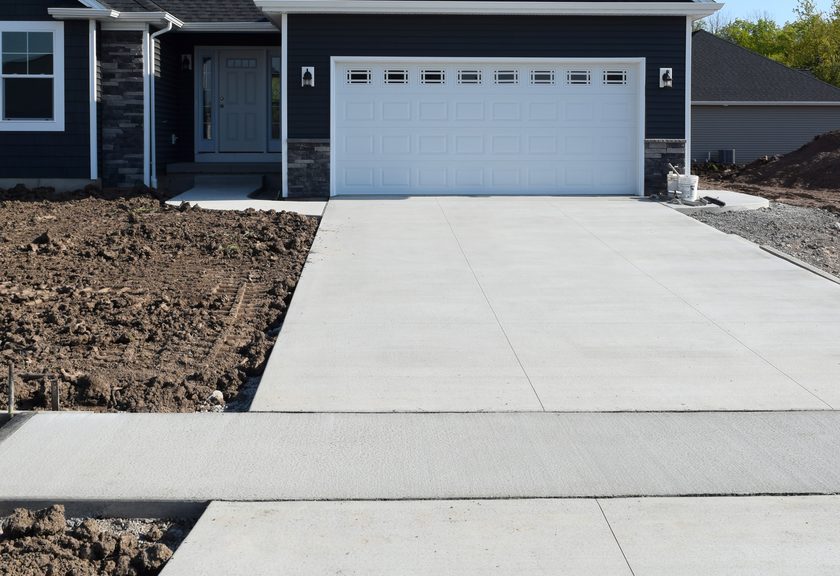
Worker spreading wet concrete inside wood form boards on bare red soilNew concrete driveway and sidewalk in front of a dark blue house with a white garage doorCurving stamped concrete path with a stone pattern beside a green lawn

Questions About Sidewalks and Walkways


Who handles the sidewalk along the street in front of my house?

Start with the City of Grapevine. Sidewalks in the public right-of-way are the kind of work the city’s published answers say it wants to permit, and it has an application for sidewalks and drive approaches. Building Inspections can tell you what applies on your street.

Our front walk meets the driveway at an odd angle. Can the route be changed?

Yes. A new walk can leave the drive at a different point, curve toward the porch, or run straight in from the street instead. Where it joins the drive, a clean saw cut and a joint keep the two slabs separate. Mention the steps and the porch height at the visit, since they decide where the walk can land.

Can a walkway curve, or does it have to be straight?

It can curve. Curves take a little more forming time, and the joints have to be laid out with the curve in mind, but a gentle bend from the drive to the door is a common choice.

What finish is best for a walk that gets wet?

A broom finish gives good grip. Stamped and sealed finishes look good but can get slick in rain, so many people keep the walking surface broomed and save the stamped pattern for a border.

The path to our back gate turns to mud every spring. Is concrete worth it there?

For a route you use every day, it often is. A narrow broom-finished strip gives you dry footing to the gate, the trash cans or a shed. Spring and fall are the wettest parts of the year here, so a path that stays usable through them gets a lot of use. Lay it out with the mower in mind so you are not trimming along both edges.

Ready for a new walk? Call 817-776-4658 to set up a visit, or send the quote form with the route you have in mind.

Other Concrete Jobs in Grapevine


Questions about the city sidewalk or the historic district? The Grapevine home page lists who to check with first, and the contact page has the number.

Click to Call817-776-4658
Click to Call: 817-776-4658